
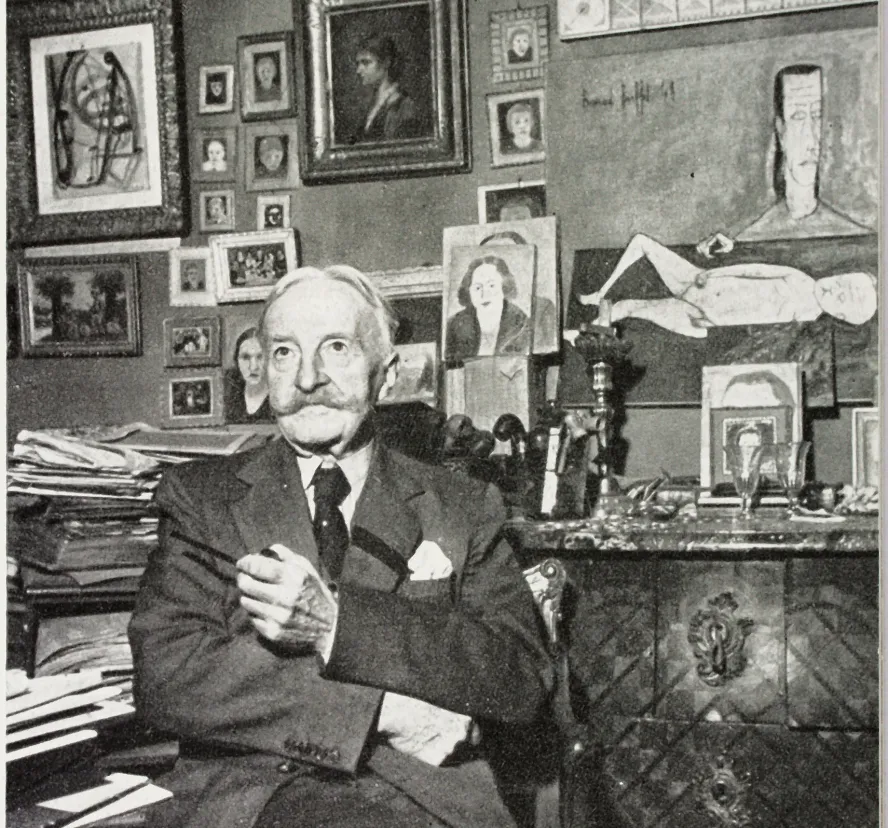
The origins: Roger Dutilleul and the birth of the collection
The history of the LaM begins with Roger Dutilleul (1872–1956), a passionate and visionary collector of the early 20th century. He was one of the first to take an interest in emerging modern artists and built up an exceptional collection. He was one of the few Frenchmen to acquire, at a very early stage, works by the most significant painters of his time, including Amedeo Modigliani, Paul Klee and Joan Miró. He was also one of the first to own works by Pablo Picasso and Georges Braque, leading figures of cubism.
Dutilleul passed on his passion for painting to his nephew Jean Masurel at a very early age. Masurel acquired his first gouache by Léger in the 1920s and, in 1956, inherited a large part of his uncle’s collection.

The founding donation by Geneviève and Jean Masurel
In the early 1970s, Jean Masurel felt that his collection had grown too large to remain in private hands. He wished to pay tribute to his native region, and the idea of a museum gradually took shape.
In 1979, he and his wife Geneviève donated 186 works (paintings, gouaches, drawings and sculptures) to the Lille Urban Community, followed by a second donation of 36 works in 1986.
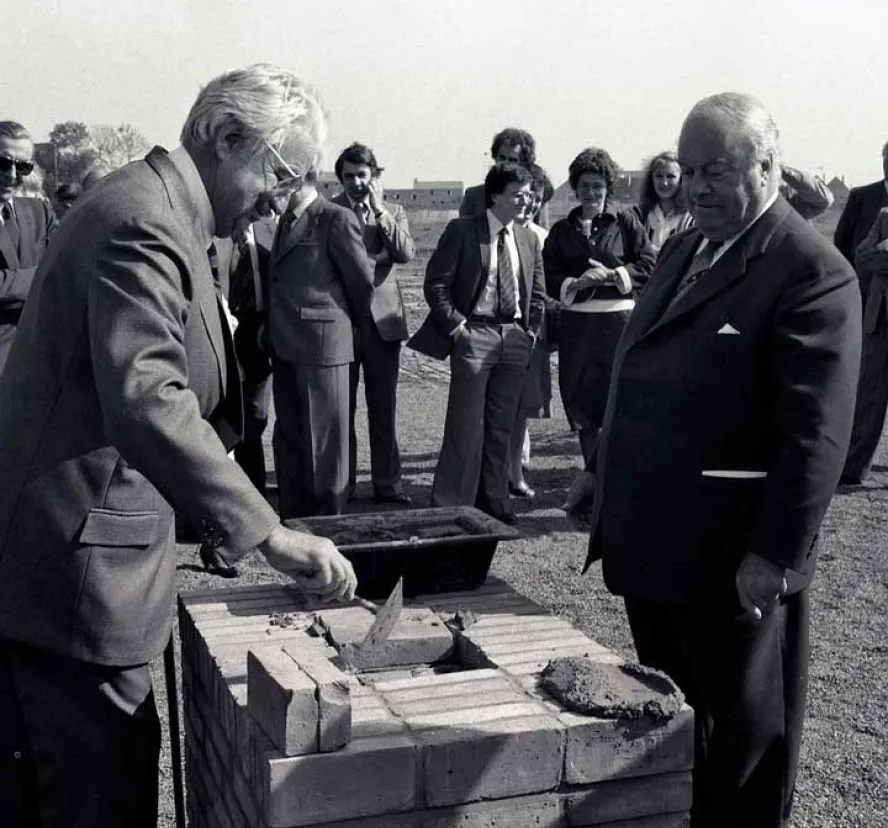
A building designed by Roland Simounet
To welcome the Masurel collection, the museum was built in Villeneuve-d’Ascq and entrusted to the architect Roland Simounet, one of the leading figures of French modernist architecture.
Opened in 1983, the museum was designed to be a place on a human scale, where every space has been carefully considered to foster an intimate encounter between the visitor and the artworks.
The architecture itself becomes a focal point, creating fluid pathways that interact with the garden in an atmosphere conducive to contemplation.
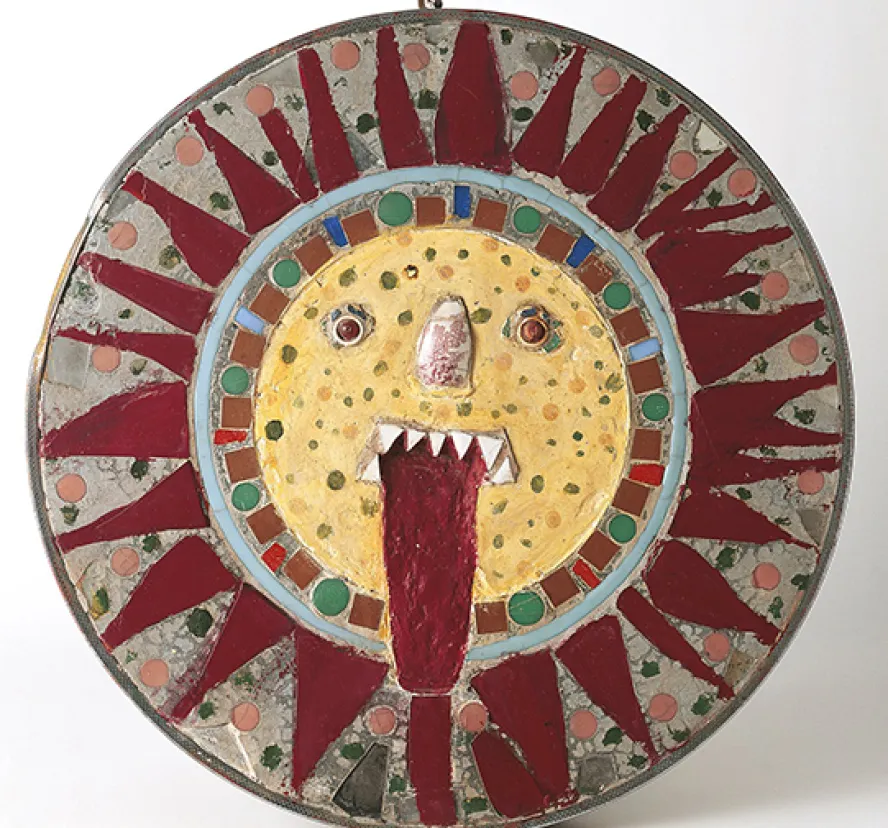
L’Aracine: a major donation of art brut
In 1999, the exceptional donation from L’Aracine marked a turning point in the museum’s history. Founded in 1982 by a group of three collectors—Madeleine Lommel, Claire Teller and Michel Nedjar—L’Aracine set itself the task of promoting and raising awareness of art brut.
Over nearly twenty years, its members assembled a remarkable collection comprising several thousand works by self-taught artists, including Adolf Wölfli, Aloïse Corbaz and Auguste Forestier.
Upon joining the museum, this exceptional collection profoundly transformed its identity and enabled it to become one of the leading institutions for art brut in Europe.
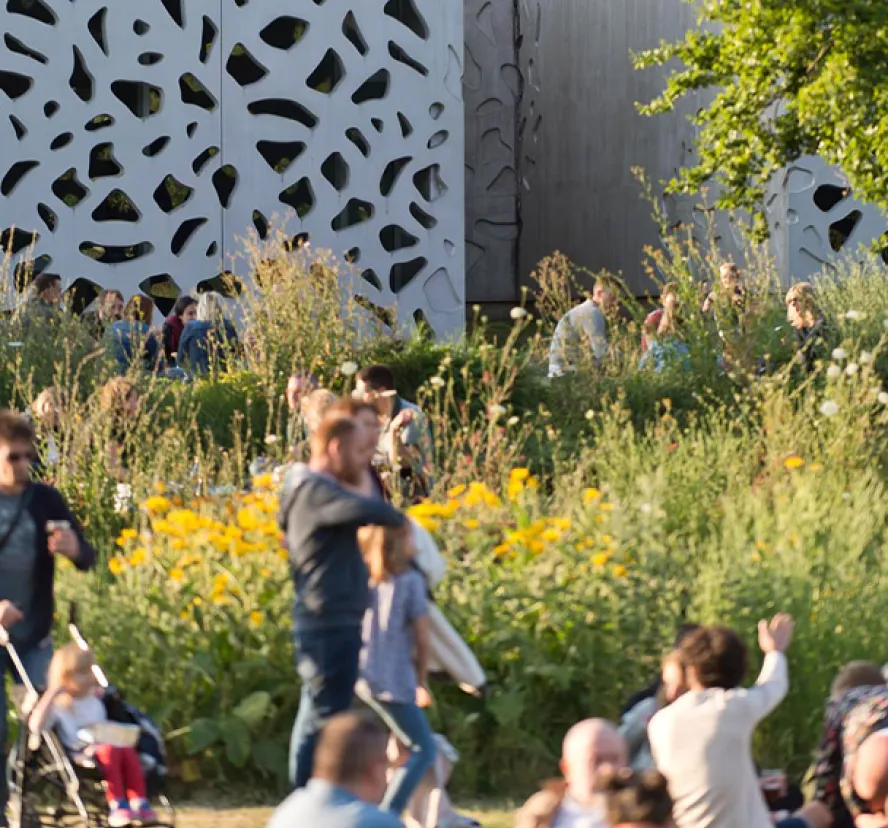
A contemporary extension designed by Manuelle Gautrand
To celebrate the expansion of its collections, particularly following the donation of L’Aracine, the museum commissioned an extension designed by the renowned architect Manuelle Gautrand.
For the LaM, she designed an extension that engages with Roland Simounet’s original architecture, whilst asserting a contemporary style.
Opened in 2010, this new wing provides a suitable space for the art brut collection and supports the museum’s transformation into the LaM – Lille Métropole Museum of Modern, Contemporary and Art Brut Art.
A museum at the crossroads of three forms of creation
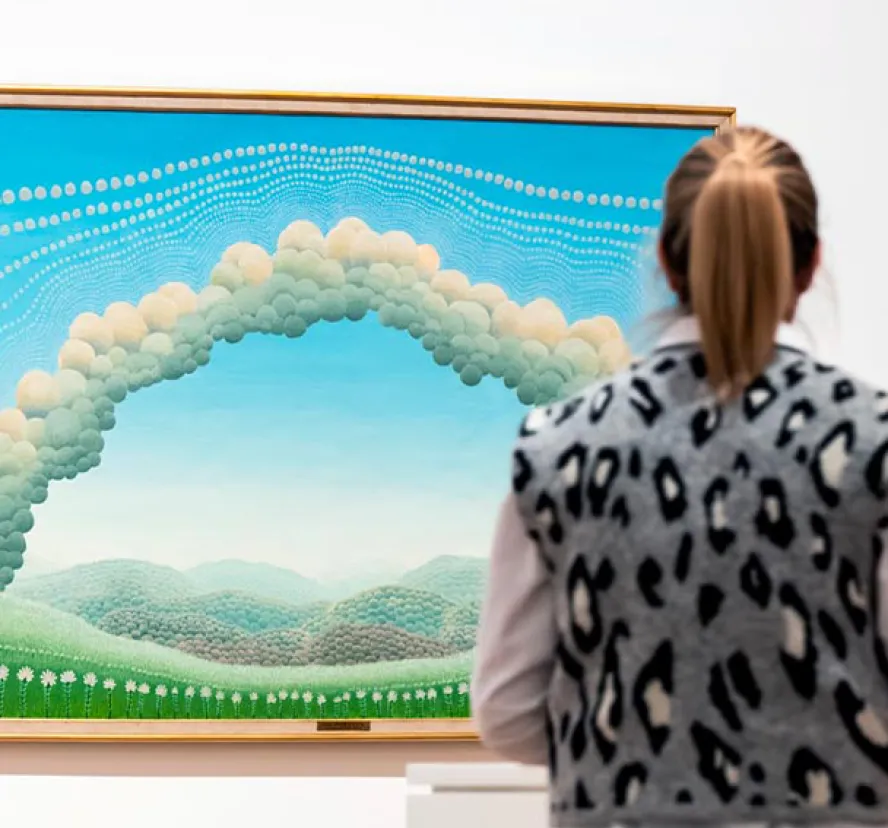
The LaM houses a major collection spanning three artistic fields – modern art, contemporary art and art brut – reflecting over a century of artistic creation.
Modern art is characterised by a break with academic traditions and the invention of new visual languages.
Contemporary art is central to the museum’s founding mission: to support current artistic creation, as evidenced by the raw programme.
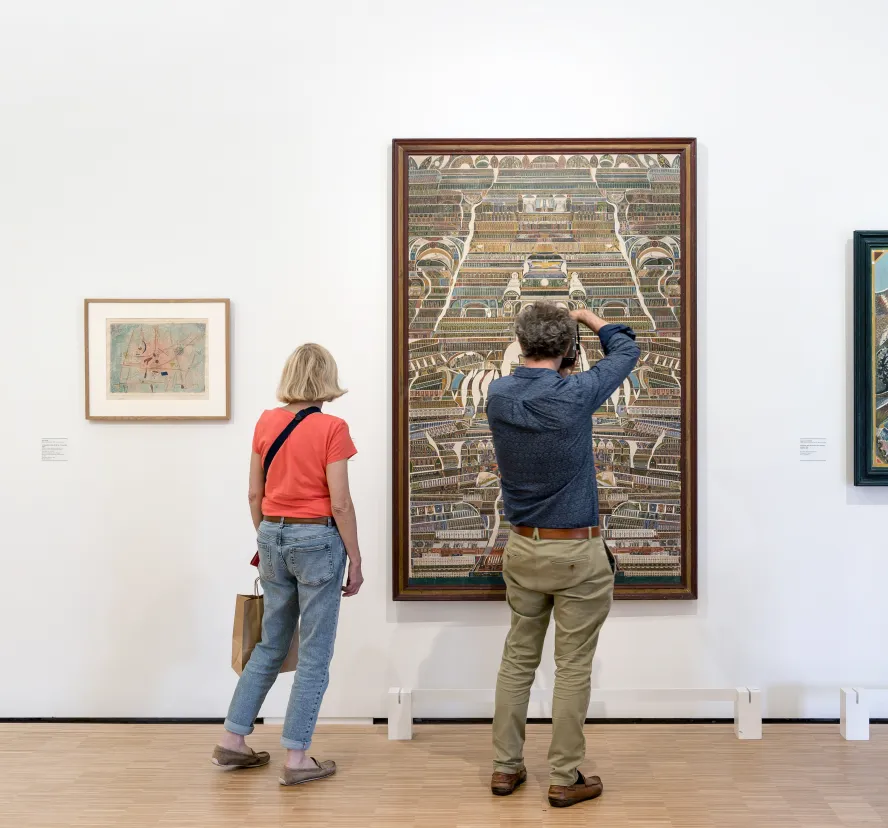
Art brut refers to works created by artists outside the traditional art circuits and codes. These spontaneous and personal creations stem from a need to create, without necessarily belonging to a specific artistic movement.
A museum that is constantly evolving
True to the spirit of its founders and donors, the LaM continues its mission to conserve, share and promote art. It is a place of discovery thanks to its collections, exhibitions and architecture.
The LaM also aims to be a vibrant hub in its own right, thanks to its eclectic cultural programme, dedicated educational activities, and spaces redesigned to be accessible to everyone.